1. Get out of the traffic lane
Turn on your hazard lights the moment something feels wrong. If the car still rolls, steer to the right shoulder, a side street or the nearest parking lot. On Highway 99, Highway 41 or Highway 180, use the widest part of the shoulder you can reach, and try not to stop just past a curve or an on-ramp where drivers cannot see you in time.
If the car dies in a live lane and will not move, stay buckled in, keep the hazards on and call 911 first. The CHP can slow traffic and protect you while a tow truck is on the way.
2. Decide whether to stay in the car
On a busy freeway, most people are safer staying in the car with their seat belt on. If you smell smoke or fuel, or the car is sitting in a spot where it could be hit, get out on the side away from traffic and stand well behind a guardrail or up the embankment. Never stand between your car and moving traffic.
3. Call a tow truck and give clear details
The more the dispatcher knows, the faster the right truck gets to you. Have this ready:
- Exactly where you are: the street and the nearest cross street, a freeway exit or a landmark
- Which direction you were heading
- Year, make, model and color of the vehicle
- What happened: dead battery, smoke, flat tire, accident or just stopped running
- Whether the car rolls, steers and shifts into neutral
- Where you want it to go: home, a repair shop or a dealer
If you are not sure of the address, open the map app on your phone and read out the location, or text it to us. Our checklist for calling a tow truck covers this in more detail.
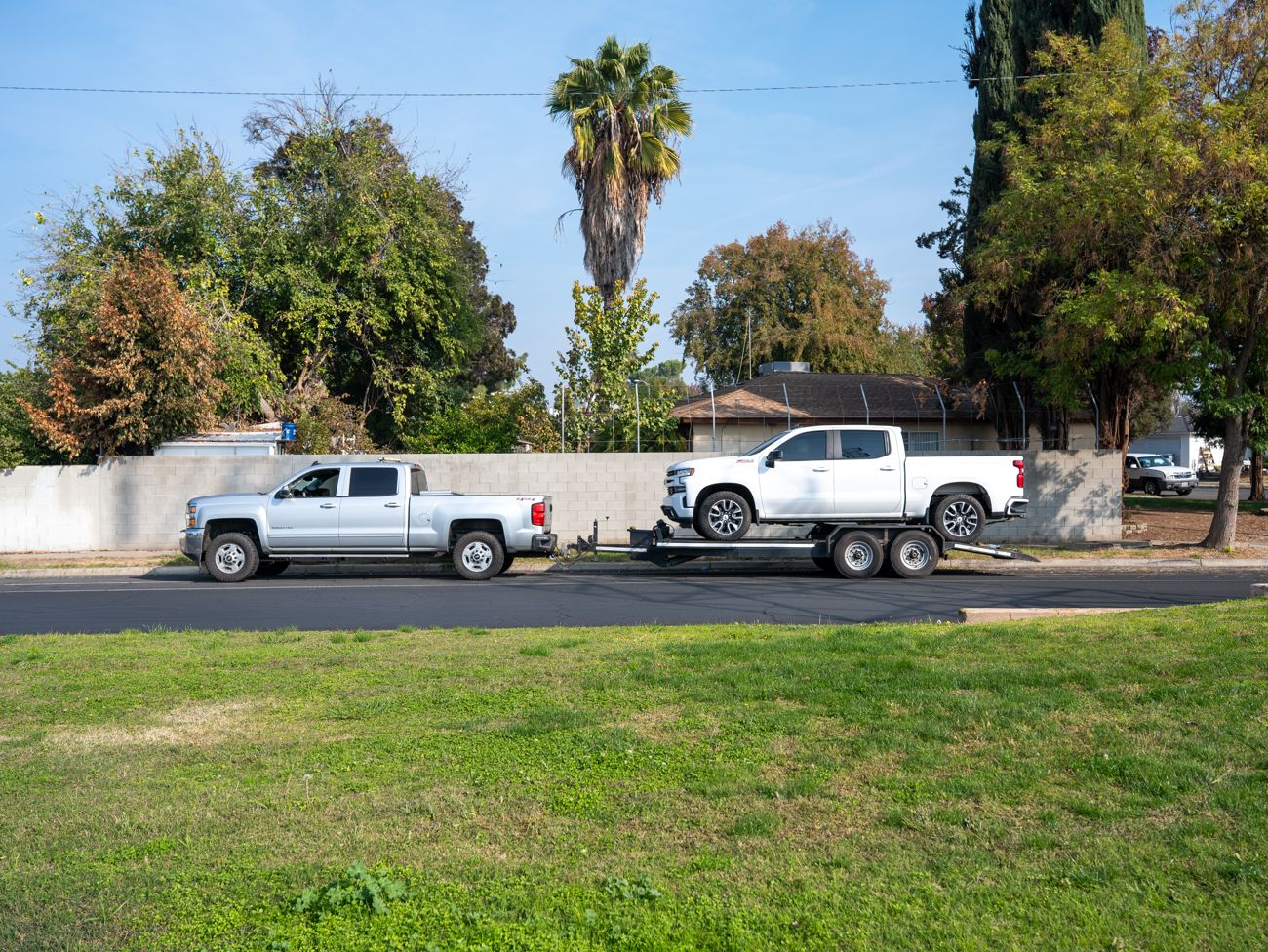
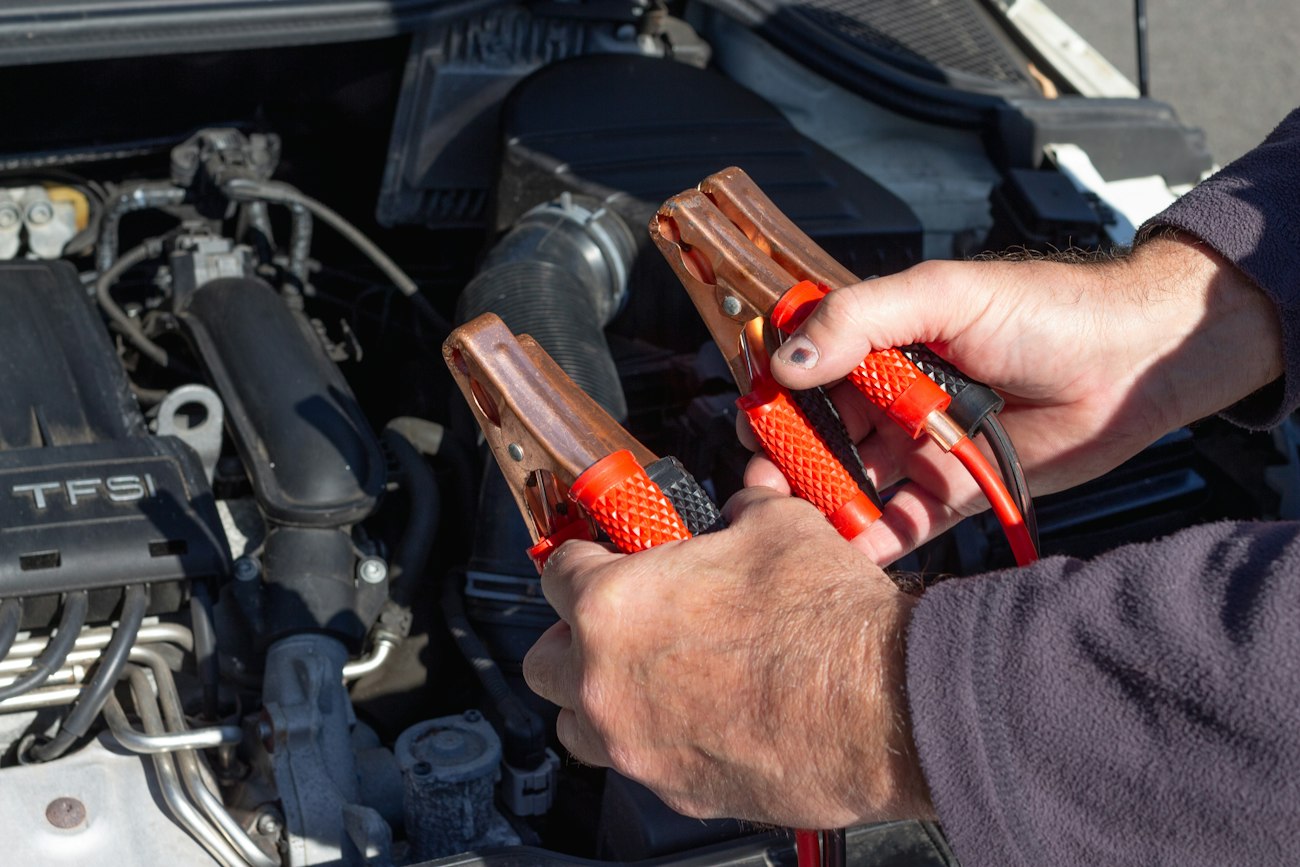
4. Check if you even need a tow
Not every breakdown ends with a tow. A dead battery usually needs a jump start, a flat tire with a good spare can be changed on the spot, and running out of gas just needs a few gallons. Those are faster and cheaper than a tow. See when roadside help beats a tow.
5. Get your things together
While you wait, gather your ID, registration, insurance card, phone charger, sunglasses, house keys and anything valuable. If the car is going to a shop overnight, take anything you will need tomorrow, like a work badge or a child seat.
6. Think about the heat
Fresno summers regularly pass 100 degrees, and a stopped car heats up fast. If you have to wait outside the car, find shade, drink water and keep kids and pets out of the closed car. In winter, tule fog is the bigger danger; we cover that in breaking down in tule fog.
7. Choose where the car goes
If you have a regular mechanic, give the dispatcher the shop name and address. If not, the safest choice is usually to tow it home and decide on a shop the next day, so you are not rushed into a repair. Confirm the destination with the driver before the car leaves.
Common mistakes to avoid
- Trying to fix the engine on the shoulder of a busy road
- Accepting a tow from a truck you did not call
- Agreeing to a tow without hearing the price first
- Leaving the car without taking your keys and registration
Need a tow right now?
Call or text any time. You hear the price before we send the truck.
Frequently asked questions
Should I call 911 or a tow truck first?
If the car is in a traffic lane, anyone is hurt or there was a crash, call 911 first. If you are safely off the road, call a tow company directly.
How long does a tow truck take?
It depends on where you are, the time of day and how busy it is. Ask the dispatcher for an honest arrival time when you call.